





Enotria: The Last Song – A Souls-Like Journey Through Italian Folklore on PS5 & Xbox
September 22,2024
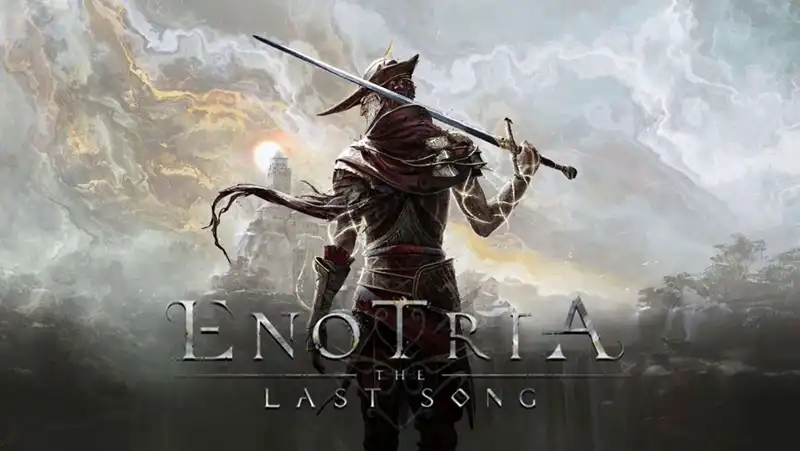
Discover Enotria: The Last Song, a vibrant soul-like game set in a mythological Italy. Explore its unique Summer-Soul aesthetic, challenging combat, and cultural depth, available now on PS5, Xbox Series X, and PC. Dive into Italian folklore and brutal battles.
Enotria: The Last Song – A Vibrant Souls-Like Adventure Set in Italy
On 19th September 2024, Enotria: The Last Song made its highly anticipated debut on PlayStation 5, Xbox Series X, and PC. Developed by Jyamma Games, an indie studio based in Italy, this soul-like game draws heavily from the country’s rich folklore and mythology, blending traditional soul-like mechanics with an innovative, sunlit aesthetic. This unique combination, dubbed "Summer-Soul" by the developers, brings a fresh twist to the typically dark and oppressive genre. The game is available in various editions, including Enotria: The Last Song Deluxe Edition (PS5) and standard editions on both PS5 and Xbox Series X.
A Game Steeped in Italian Culture and Folklore
Enotria: The Last Song takes players on a journey through a world inspired by Italian legends and myths. Unlike many other games in the genre, which often rely on Western European medieval or gothic fantasy settings, Enotria’s environment is deeply rooted in Italian culture. From the architecture to the creatures inhabiting its world, players are surrounded by a sense of history and local folklore.
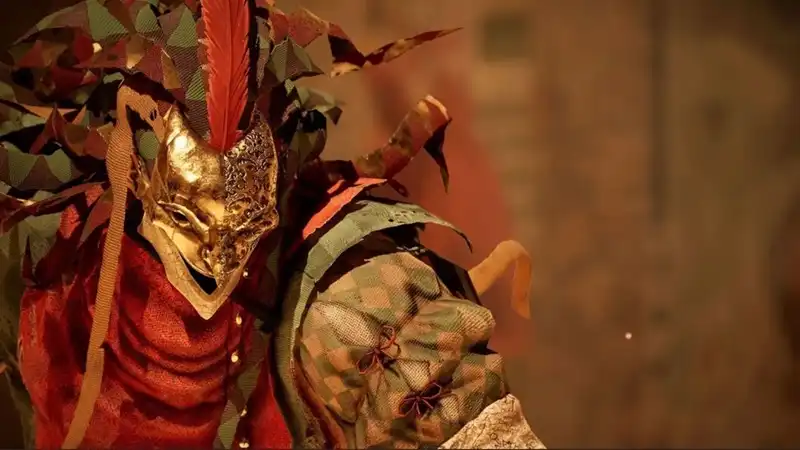
The game follows a masked hero on a quest to uncover the mysteries of an ancient civilisation. Along the way, players will encounter a variety of mythological creatures and characters, all drawn from Italy’s rich storytelling traditions. Masks play a central role in the game’s mechanics, offering unique abilities that allow players to interact with the world in unexpected ways.
Summer-Soul – A Bright Twist on a Dark Genre
One of the most striking aspects of Enotria: The Last Song is its bright, sunlit aesthetic. Where most soul-like games are known for their dark, moody environments, Enotria takes a different approach. Jyamma Games describes this as "Summer-Soul" – a world bathed in sunlight, full of vivid colours and bright landscapes, yet still filled with danger and challenge.
This visual shift not only makes the game stand out, but it also provides players with a refreshing break from the grim, gothic worlds typical of the genre. Despite the colourful setting, the core gameplay retains the brutal combat and intricate level design that soul-like fans have come to expect.
Platform Availability – Enotria Across PS5 and Xbox Series X
Enotria: The Last Song is available on multiple platforms, including the PlayStation 5, Xbox Series X, and PC. Additionally, the Deluxe Edition for PS5 offers players extra content, including exclusive in-game items and behind-the-scenes materials that dive deeper into the development and mythology of the game. These platform options ensure that a wide range of players can experience the magic of Enotria, no matter their preferred console.
The Ardore Mechanic – Shaping the World Around You
Central to Enotria’s gameplay is the Ardore mechanic, a system that allows players to manipulate their surroundings and enemies. This feature introduces a level of environmental interaction that goes beyond combat. Players can use Ardore to solve puzzles, access hidden areas, and gain tactical advantages in battles.
The ability to reshape the environment adds a fresh dimension to the gameplay, making exploration more dynamic and rewarding. This mechanic, combined with the game’s complex combat system, ensures that players must think strategically as they navigate the world.
Combat Mechanics Inspired by the Souls-Like Tradition
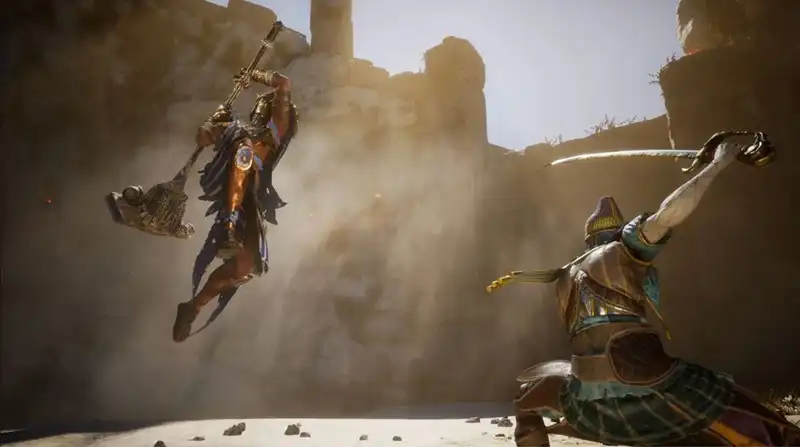
At its core, Enotria: The Last Song stays true to the soul-like formula, delivering challenging, methodical combat that requires precision, patience, and practice. Players must master dodging, parrying, and striking to defeat the game’s formidable enemies. The game encourages a careful approach to combat, rewarding players who learn from their mistakes and adapt their strategies.
One notable feature of Enotria’s combat system is its emphasis on parrying, similar to games like Sekiro: Shadows Die Twice. This mechanic demands perfect timing, forcing players to stay on their toes during encounters. While this focus on parrying adds a layer of difficulty, it also introduces the risk of making combat feel repetitive for some players, especially during longer sessions.
Enotria: The Last Song - Launch Trailer
The Elemental System – A Tactical Approach to Combat
In addition to parry-based combat, Enotria introduces an elemental system that requires players to match their weapons with enemies’ elemental affinities. This mechanic is reminiscent of the strategy seen in games like Pokémon, where exploiting elemental weaknesses is key to victory. Players must choose their weapons and skills wisely, adjusting their load-outs depending on the enemies they face.
While the elemental system adds variety and depth to combat, it has also drawn some criticism for potentially limiting creativity in character builds. Some players may feel that this system locks them into certain playstyles, reducing their freedom to experiment with different strategies.
Early Reception – Stunning Visuals but Mixed Gameplay Reviews
Upon release, Enotria: The Last Song received widespread praise for its visual design and world-building. The game’s vibrant representation of Italian folklore and mythology has been one of its strongest points, immersing players in a world that feels both fresh and familiar. The bright, sunlit landscapes, coupled with the intricate level design, create a visually stunning backdrop for the game’s brutal challenges.
However, early reviews have highlighted some issues with the fluidity of combat. Some players have found the gameplay to be a bit clunky, particularly when compared to other recent soul-like releases such as Lies of P and Black Myth: Wukong. The heavy reliance on parrying has also been a point of contention, with some players feeling that it can make combat encounters feel repetitive.
Exploring the Mythology of Enotria
One of the most captivating aspects of Enotria: The Last Song is its deep connection to Italian mythology. Players will encounter a variety of mythological creatures, all of which are based on local folklore. This unique cultural influence sets Enotria apart from other soul-like games, which often draw from more traditional fantasy or gothic sources.
The game’s story is rich with cryptic lore, much of which is uncovered through exploration and environmental storytelling. As players progress through the game, they gradually piece together the mysteries of the past, learning more about the ancient civilisation that once inhabited Enotria’s world.
Masks and Powers – A Unique Gameplay Mechanic
In addition to the Ardore mechanic, another defining feature of Enotria’s gameplay is the use of masks. These masks grant the protagonist unique powers that shape how players interact with both the environment and enemies. Each mask offers different abilities, from unlocking new paths to gaining a strategic edge in combat.
This system adds a layer of customisation to the game, allowing players to tailor their approach to different challenges. The masks also play a significant role in the narrative, as they are tied to the protagonist’s quest to uncover the secrets of the ancient world.
The Development Journey of Jyamma Games
Enotria: The Last Song is the creation of Jyamma Games, an Italian indie studio with a passion for blending cultural influences with innovative gameplay mechanics. As a relatively small team, their ability to deliver such an ambitious project is impressive, especially given the competitive nature of the souls-like genre.
The game marks a major milestone for Jyamma Games, showcasing their talent for creating immersive worlds that are both challenging and visually stunning. Their commitment to representing Italian folklore authentically and engagingly has been one of the game’s standout features.
The Challenges of Indie Game Development
As an indie developer, Jyamma Games faced the difficult task of competing with larger studios while maintaining their unique vision. The success of Enotria: The Last Song is a testament to the studio’s dedication to creating a distinct experience that stands out in a crowded market.
While some aspects of the game may lack the refinement of titles developed by big-budget studios, Enotria is a shining example of what can be achieved through passion and creativity. For fans of soul-like games looking for something fresh, Enotria offers a unique alternative.
What Sets Enotria Apart from Other Souls-Likes?
Enotria: The Last Song breaks away from the traditional soul-like formula in several ways. The most notable is its bright, sunlit aesthetic, which contrasts sharply with the dark, brooding environments typical of the genre. This visual approach, coupled with its focus on Italian folklore, sets the game apart from other entries in the genre.
Additionally, the game’s innovative mechanics, including the Ardore system and mask abilities, offer players a fresh gameplay experience. These features, combined with the game’s unique setting, make Enotria a standout title for fans of the genre looking for something new.
Comparisons to Other Titles – Lies of P and Black Myth: Wukong
Since its release, Enotria: The Last Song has been compared to other major soul-like titles, including Lies of P and Black Myth: Wukong. While these games boast more refined combat mechanics and larger budgets, Enotria stands out due to its unique cultural identity and visual style.
Instead of trying to compete directly with these titles, Jyamma Games has carved out a niche for itself by focusing on the Summer-Soul aesthetic and incorporating Italian mythology into the game’s narrative. This approach offers players a different experience, one that is both challenging and culturally enriching.
Final Verdict – A Bold New Chapter in the Souls-Like Genre
Enotria: The Last Song is a bold entry into the soul-like genre, offering a fresh take on the traditional formula. While it may not be as polished as some of its contemporaries, its stunning visuals, inventive mechanics, and cultural depth more than makeup for any shortcomings. The game’s commitment to Italian folklore and mythology provides a unique narrative backdrop that stands apart from the typical dark fantasy worlds seen in similar titles.
Despite some mixed feedback on the fluidity of combat and reliance on parrying, Enotria is still a noteworthy achievement for a relatively small indie studio like Jyamma Games. For players seeking an experience that combines the intensity of soul-like combat with a vibrant, sunlit world, Enotria: The Last Song offers a refreshing twist on a familiar formula.
Future Prospects and Potential Updates
Given the early reception and feedback from players, it’s possible that Jyamma Games could introduce updates to address some of the criticisms regarding combat and gameplay fluidity. Post-launch support may bring patches or additional content that enhances the player experience, potentially ironing out some of the rough edges.
With its distinctive blend of cultural authenticity and challenging gameplay, Enotria has the potential to carve out a dedicated fan base within the souls-like community. Whether through DLC expansions or quality-of-life improvements, there is ample opportunity for the game to grow and evolve in the months following its release.
Conclusion – A Summer-Soul Experience That Shines Bright
In the end, Enotria: The Last Song stands out as an innovative, visually stunning addition to the soul-like genre. Its unique Summer-Soul aesthetic, rich in the colours and culture of Italy, breathes new life into a genre that often leans towards darker, more oppressive worlds. While not without its faults, Enotria delivers an experience that is both challenging and culturally enriching.
Whether you're a seasoned soul-like veteran or a newcomer looking for something different, Enotria: The Last Song is a game worth exploring. With its availability on PlayStation 5, Xbox Series X, and PC, it opens the door to a diverse range of players eager to step into this mythological Italian world.
Enotria: The Last Song is not just a game; it’s a journey through Italian folklore – one that invites players to discover the beauty and brutality of a world where the past and present collide in vivid, sunlit landscapes.
You may be also interested in them
Nintendo Switch 2 Game Key Cards Explained: How They Work, and What You Can Lend or Resell
Discover what Nintendo Switch 2 Game Key Cards are, how they work, and whether you can lend or resell them. A must-read for gamers buying physical gam...May 13,2025
Silent Hill f: Everything You Need to Know About the New Cult Horror Instalment
Silent Hill f returns, set in 1960s Japan. Follow Hinako Shimizu into fog-filled horror with rich Japanese folklore, puzzles, and returning composer A...March 21,2025
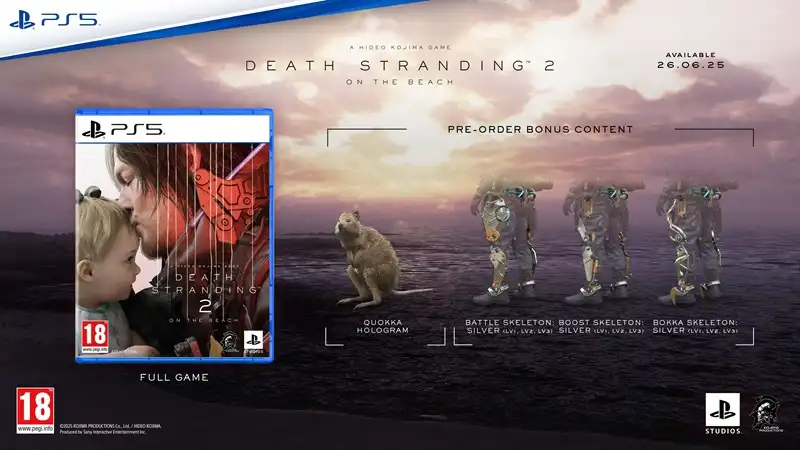
Death Stranding 2: On the Beach – All the Details on Hideo Kojima’s Sequel
Death Stranding 2: On the Beach is confirmed for release on PS5 on 26th June 2025. The sequel features returning cast members, new gameplay, and a sto...March 18,2025
Pokémon Legends: Z-A – Release Date, Trailer, Gameplay Details, and Everything We Know
Game Freak’s Pokémon Legends: Z-A launches in late 2025, set in Lumiose City with a possible Mega Evolution return. Explore new gameplay, Kalos lore,...March 04,2025

MindsEye: Release Date, Trailer, and Everything We Know So Far
MindsEye is a thrilling action-adventure game set in a futuristic world. Follow Jacob Diaz as he uncovers dark secrets behind his neural implant in th...February 25,2025

Like a Dragon: Pirate Yakuza in Hawaii – Release Date, Trailer, and Gameplay Details
Like a Dragon: Pirate Yakuza in Hawaii arrives on 21st February 2025 for PC, PlayStation, and Xbox. Step into Majima’s pirate adventure, fight enemies...February 11,2025
Does Civilization VII Accurately Teach History? A Deep Dive into Gaming and Education
Civilization VII has sparked debate on its accuracy in teaching history. While offering players an engaging experience of global civilizations, it sim...February 09,2025
Check Out These Products You May Be Interested In
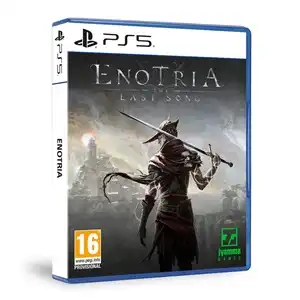
Enotria: The Last Song (PS5)
August 30,2024
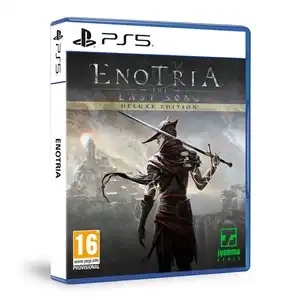
Enotria: The Last Song Deluxe Edition (PS5)
August 29,2024
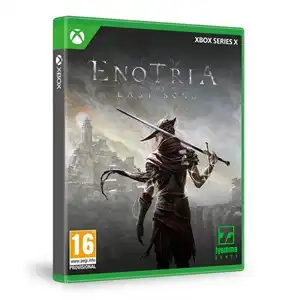
Enotria: The Last Song (Xbox Series X)
August 30,2024
Contact Info
- Address: UKSoftwaretech ltd, 6 Roffey Close, Purley. Surrey, CR8 4BH
- Phone: 08712887049 (Calls cost 13ppm plus your network access charge)
- Email: [email protected]